

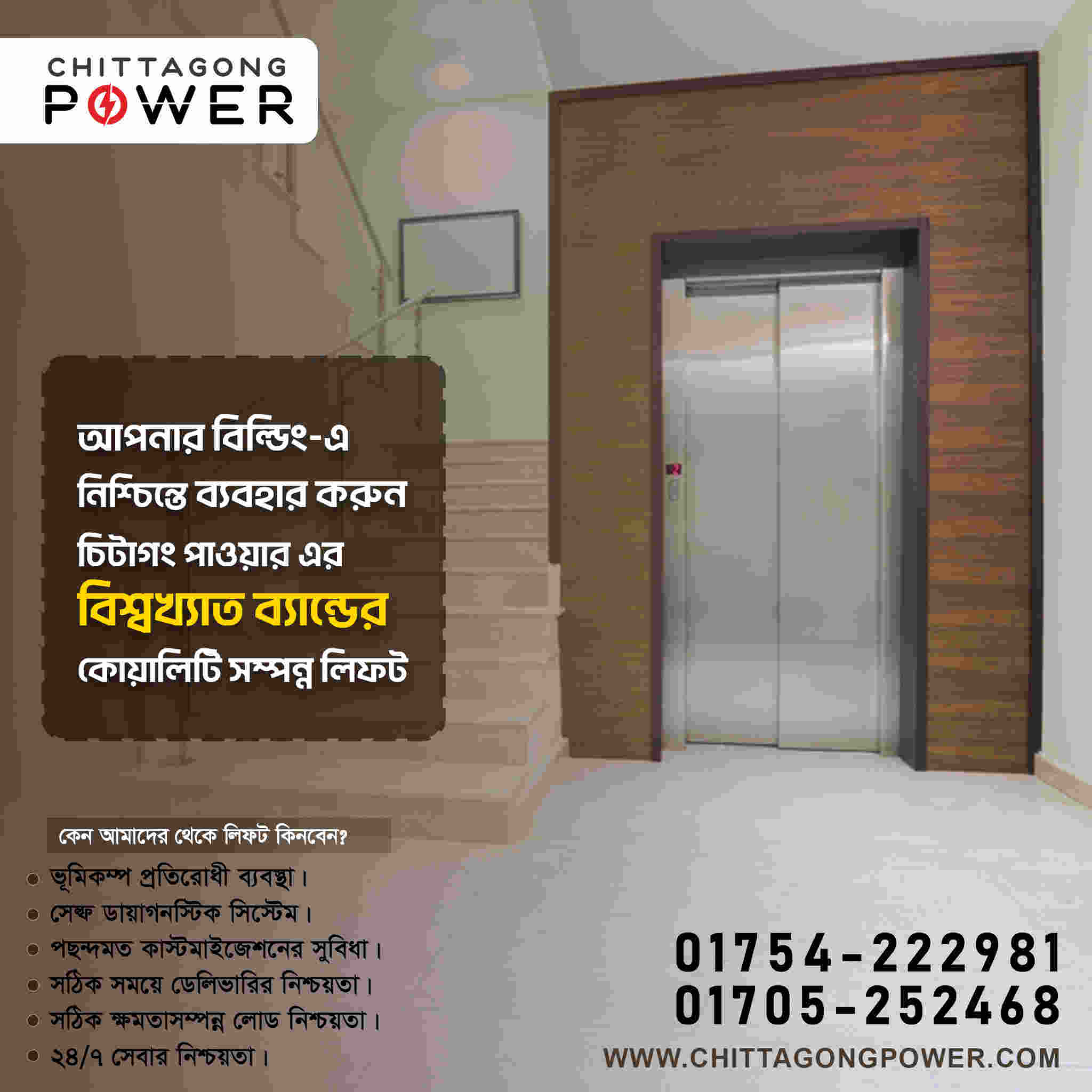
Lifts: The Backbone of Modern Vertical Transportation
In today’s fast-growing urban world, lifts—commonly known as elevators—play a vital role in modern buildings. From residential apartments and commercial complexes to hospitals, shopping malls, and industrial facilities, lifts have become an essential part of daily life. They not only provide convenience but also ensure accessibility, safety, and efficiency in vertical transportation.
This blog explores what lifts are, their types, how they work, their benefits, safety features, and why professional installation and maintenance are crucial.
What Is a Lift?
A lift is a mechanical device designed to move people or goods vertically between floors of a building. Unlike stairs, lifts save time, reduce physical effort, and make multi-story buildings practical and accessible for everyone, including elderly people and individuals with disabilities.
Modern lifts are designed with advanced technology to ensure smooth operation, energy efficiency, and maximum safety.
Types of Lifts
There are different types of lifts available, each designed for specific purposes. Choosing the right lift depends on building type, usage, load capacity, and budget.
1. Passenger Lifts
Passenger lifts are the most common type, used in residential and commercial buildings. They are designed for comfort, speed, and safety, with attractive interiors and smooth operation.
2. Home Lifts
Home lifts are specially designed for private houses and villas. They are compact, energy-efficient, and customizable to fit limited spaces while adding luxury and convenience.
3. Hospital Lifts
Hospital lifts are built to carry patients, stretchers, wheelchairs, and medical staff. They operate smoothly and quietly to ensure patient comfort and are designed to meet strict safety and hygiene standards.
4. Goods or Freight Lifts
These lifts are used in factories, warehouses, and commercial buildings to transport heavy goods. They have high load capacity and strong construction.
5. Service Lifts
Service lifts are commonly used in hotels, restaurants, and offices to transport food, documents, or equipment between floors.
6. Car Lifts
Car lifts are used in showrooms, parking buildings, and residential projects to move vehicles vertically, saving valuable parking space.
How Does a Lift Work?
Although lifts may look complex, their basic working principle is straightforward.
Most modern lifts operate using one of the following systems:
-
Traction System: Uses steel ropes and counterweights to move the lift car up and down. This system is common in mid- and high-rise buildings.
-
Hydraulic System: Uses hydraulic fluid and a piston to lift the cabin. It is often used in low-rise buildings.
-
Machine Room-Less (MRL) System: A space-saving technology where the lift machine is installed within the shaft, making it energy-efficient and ideal for modern buildings.
Advanced control systems ensure accurate floor leveling, smooth acceleration, and safe operation.
Benefits of Installing a Lift
Installing a lift offers numerous advantages for both building owners and users.
1. Convenience and Time Saving
Lifts make it easy to move between floors quickly, especially in high-rise buildings.
2. Accessibility
They provide essential access for elderly people, disabled individuals, and patients who cannot use stairs.
3. Increased Property Value
Buildings with modern lifts are more attractive to buyers and tenants, increasing property value and market demand.
4. Energy Efficiency
Modern lifts are designed to consume less electricity and use regenerative drives that save energy.
5. Enhanced Safety
Compared to stairs, lifts reduce the risk of falls and physical strain, especially when carrying heavy items.
Safety Features in Modern Lifts
Safety is the most critical aspect of lift design. Modern lifts are equipped with multiple safety features, including:
-
Emergency alarm and communication system
-
Automatic rescue device (ARD) during power failure
-
Overload sensors
-
Door interlocks and safety edges
-
Emergency lighting and ventilation
-
Speed governors and braking systems
Regular inspection and maintenance ensure these safety features work properly at all times.
Importance of Professional Installation
A lift is a long-term investment, and professional installation is crucial for safety and performance. Proper installation ensures:
-
Compliance with local and international safety standards
-
Smooth and noise-free operation
-
Reduced breakdowns and maintenance costs
-
Long service life of lift components
Choosing an experienced lift company with qualified engineers is essential to avoid future risks and expenses.
Lift Maintenance: Why It Matters
Like any mechanical system, lifts require regular maintenance to operate safely and efficiently. Routine servicing helps to:
-
Prevent unexpected breakdowns
-
Extend the lifespan of lift components
-
Ensure passenger safety
-
Maintain smooth and reliable performance
Annual maintenance contracts (AMC) are recommended to keep lifts in optimal condition and comply with safety regulations.
Future of Lift Technology
Lift technology continues to evolve with smart and eco-friendly innovations. Some future trends include:
-
Smart lifts with touchless controls
-
IoT-based monitoring systems
-
Energy-saving regenerative drives
-
AI-powered traffic management
-
Sustainable and eco-friendly materials
These advancements aim to improve efficiency, safety, and user experience while reducing environmental impact.
Conclusion
Lifts are an indispensable part of modern infrastructure, enabling safe and efficient vertical transportation. Whether for residential, commercial, or industrial use, choosing the right type of lift, ensuring professional installation, and maintaining it regularly are key to long-term performance and safety.
As cities grow taller and smarter, lifts will continue to play a crucial role in shaping the future of urban living. Investing in quality lift solutions today ensures comfort, accessibility, and value for years to come.





Diesel Generator: A Reliable Power Solution for Every Need
January 8, 2026