

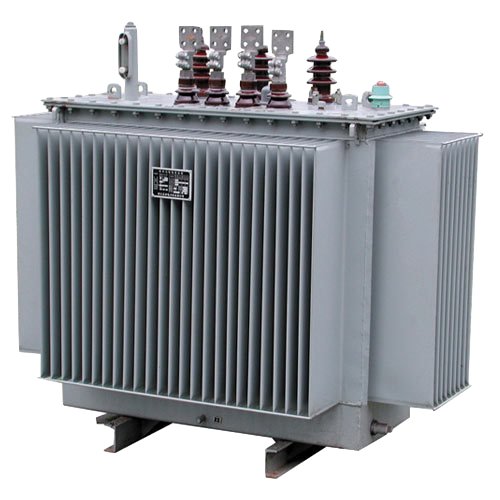
Substation: The Heart of Electrical Power Distribution
In the world of electricity, substations play a pivotal role in ensuring that power generated at power plants reaches homes, industries, and businesses safely and efficiently. Often overlooked by the general public, substations are critical nodes in the electrical grid, managing voltage levels, switching circuits, and ensuring the stability of power supply. This blog will explore what substations are, how they work, their types, components, benefits, and safety considerations.
What Is a Substation?
A substation is a part of an electrical generation, transmission, and distribution system where voltage is transformed from high to low, or vice versa, using transformers. Substations are essential for controlling the flow of electricity and maintaining the stability and reliability of the electrical grid.
They act as intermediaries between power plants and consumers, ensuring electricity is delivered at the appropriate voltage and quality.
How Does a Substation Work?
Substations operate as points where electricity is transformed, switched, or controlled. The basic operations include:
-
Voltage Transformation
Electricity generated at power plants is often at a high voltage for efficient transmission. Substations reduce this voltage for safe distribution to homes and businesses. -
Circuit Switching
Substations can switch power from one line to another, allowing maintenance or rerouting electricity in case of faults. -
Power Control and Protection
Equipped with protective devices, substations monitor and isolate faults to prevent damage to equipment and ensure reliable service. -
Load Management
Substations help balance electrical loads across the network, improving efficiency and reducing power loss.
Types of Substations
Substations can be classified based on function, voltage level, and location. Some common types include:
1. Transmission Substation
Located between power plants and distribution networks, these substations step up or step down voltage for long-distance transmission. They handle very high voltages and are key to efficient power transport.
2. Distribution Substation
These substations receive electricity from transmission lines and step down voltage to levels suitable for residential or commercial use. They connect directly to neighborhoods, offices, and factories.
3. Collector Substation
Used in renewable energy projects like wind farms and solar plants, collector substations consolidate power from multiple generators and step up voltage for transmission.
4. Switching Substation
These substations do not have transformers but are used to connect or disconnect transmission lines, reroute power, and improve system reliability.
5. Mobile Substation
A portable substation that can be deployed in emergencies, construction sites, or temporary projects to provide power quickly.
Key Components of a Substation
A typical substation consists of several essential components:
-
Transformers
Step up or step down voltage levels according to network requirements. -
Circuit Breakers
Automatically disconnect faulty lines to prevent damage. -
Busbars
Conductive bars that act as junctions for electricity distribution. -
Isolators/Disconnectors
Used to safely disconnect circuits for maintenance. -
Lightning Arresters
Protect equipment from voltage spikes caused by lightning. -
Current and Voltage Transformers (CT & VT)
Used for measurement, monitoring, and protection. -
Control Panels
Houses monitoring and control systems to manage operations remotely. -
Fencing and Safety Equipment
Ensures safety and prevents unauthorized access.
Benefits of Substations
Substations provide multiple advantages for efficient power delivery:
-
Voltage Regulation: Ensures electricity is delivered at safe, usable levels.
-
Reliability: Minimizes interruptions in power supply.
-
Load Management: Balances electrical load to prevent overloading and wastage.
-
Safety: Protects equipment and personnel from electrical faults.
-
Integration of Renewable Energy: Facilitates connection of solar, wind, and other green energy sources into the grid.
Safety Considerations
Substations operate at high voltages, making safety a top priority:
-
Fencing and Security: Prevent unauthorized access.
-
Grounding Systems: Protect against electrical shocks.
-
Warning Signs and Protective Equipment: Ensures awareness and safety for workers.
-
Routine Maintenance: Reduces risks of failures, fire, and accidents.
Personnel working in substations are trained to follow strict safety protocols to prevent accidents.
Substation Modernization
With the rise of smart grids, substations are undergoing digital transformation:
-
Remote Monitoring: Allows operators to track performance and detect faults in real-time.
-
Automation: Switching and load management can now be automated.
-
IoT and SCADA Integration: Provides better control, efficiency, and predictive maintenance.
-
Eco-friendly Designs: Reduced noise, emission control, and better land utilization.
Modern substations are not just passive power nodes—they actively manage the flow of electricity and enhance grid resilience.
Conclusion
Substations are the backbone of modern power systems. They ensure electricity is safely and reliably transformed, controlled, and distributed from power plants to consumers. By incorporating advanced technology, safety measures, and automation, substations continue to improve efficiency and reliability in the electrical network.
Whether for residential, commercial, or industrial use, the importance of substations cannot be overstated. They are the silent guardians of our daily power supply, keeping lights on, machinery running, and cities moving forward.



Diesel Generator: A Reliable Power Solution for Every Need
January 8, 2026