

Passenger Elevator
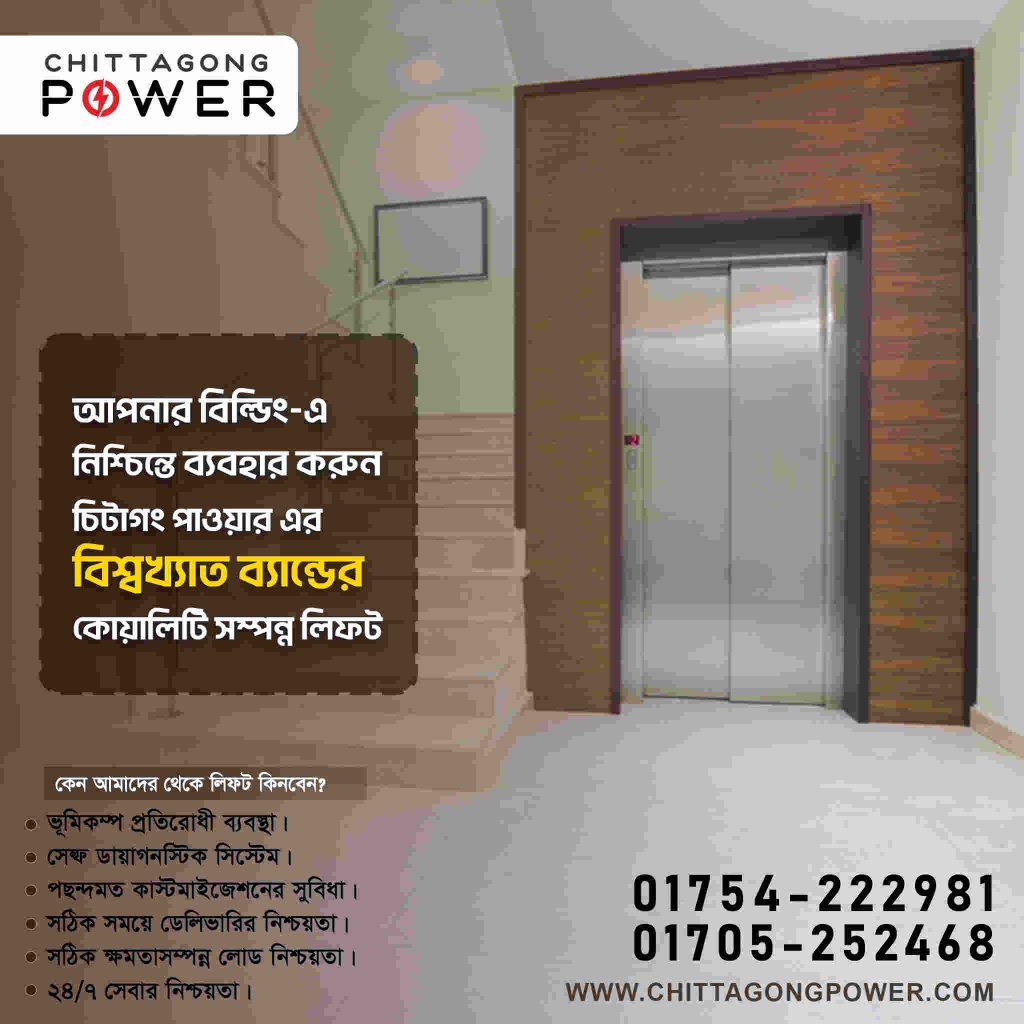
A passenger elevator is a vital vertical transportation system designed to safely and efficiently move people between different floors of a building. It is commonly used in residential apartments, commercial offices, shopping malls, hotels, hospitals, and high-rise buildings. Passenger elevators are engineered with advanced safety features such as automatic doors, emergency alarms, overload sensors, and backup power systems to ensure reliable operation at all times.
Modern passenger elevators offer smooth and quiet travel, using technologies like traction or machine-room-less (MRL) systems for energy efficiency and space optimization. They are available in various capacities, speeds, and cabin designs to meet different building requirements and aesthetic preferences. Interior features often include LED lighting, digital floor indicators, handrails, and ventilation systems for passenger comfort.
Escalator
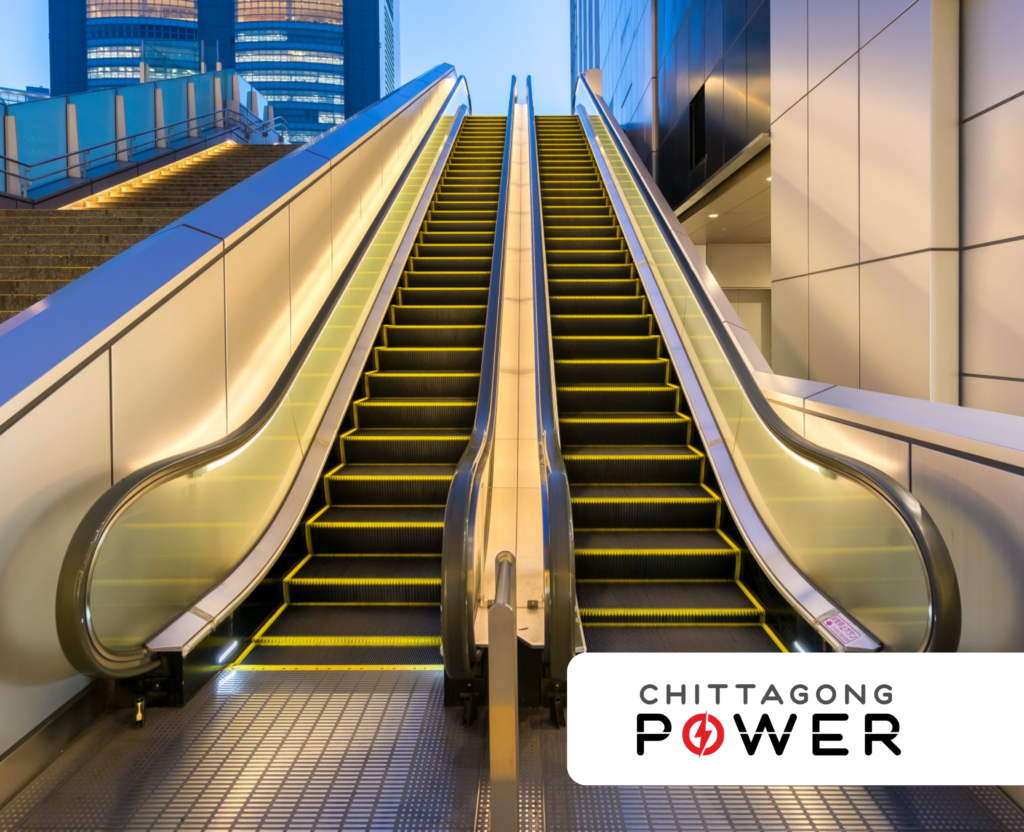
An escalator is a moving staircase designed to transport people efficiently between different levels of a building. It is widely used in shopping malls, airports, metro stations, hospitals, and commercial complexes where a high volume of foot traffic is expected. Escalators provide continuous movement, reducing waiting time and improving passenger flow compared to elevators.
Modern escalators are built with strong safety features such as emergency stop buttons, anti-slip steps, handrail sensors, and automatic speed control. They are designed for durability, energy efficiency, and smooth operation, even under heavy use. Escalators can be installed indoors or outdoors and customized to match architectural designs. Overall, escalators enhance convenience, accessibility, and crowd management in public and commercial spaces.
Capsule Lift
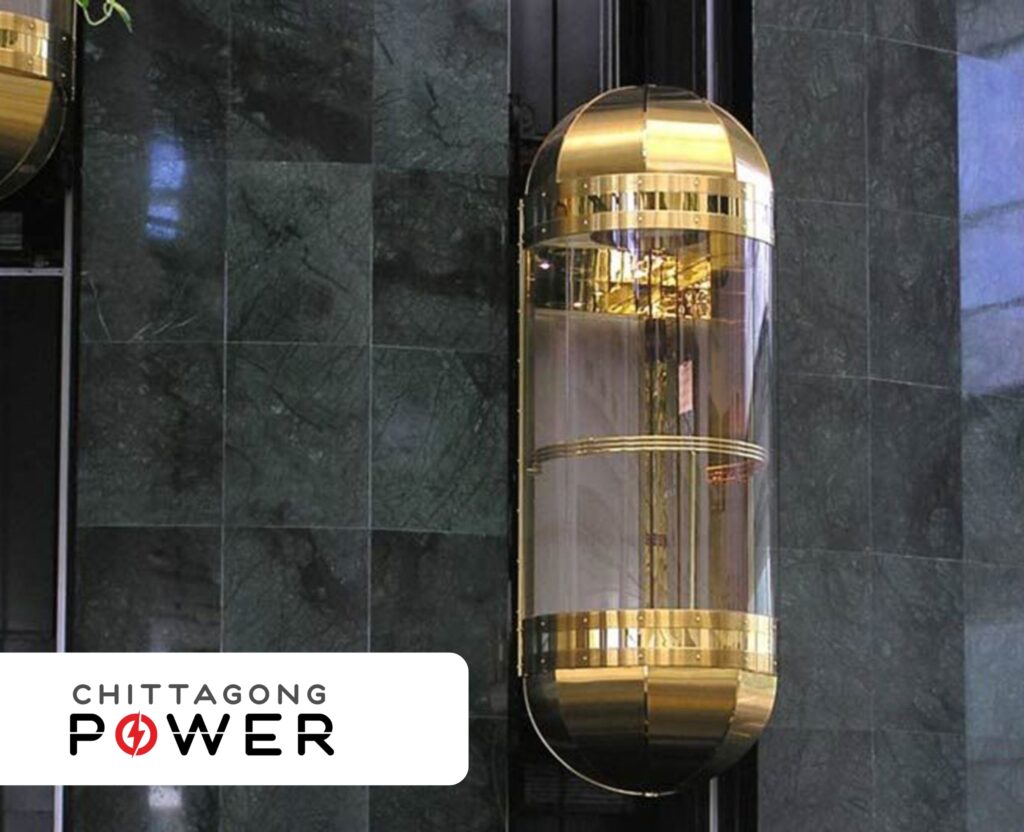
A capsule lift is a modern and visually appealing vertical transportation system designed to enhance both mobility and architectural beauty. Unlike traditional elevators, capsule lifts feature transparent glass cabins and sleek structures that offer panoramic views during travel. They are commonly installed in shopping malls, hotels, corporate buildings, showrooms, and luxury residences.
Capsule lifts are equipped with advanced safety systems, including emergency brakes, overload sensors, and automatic rescue devices, ensuring safe and reliable operation.
Cargo Lift
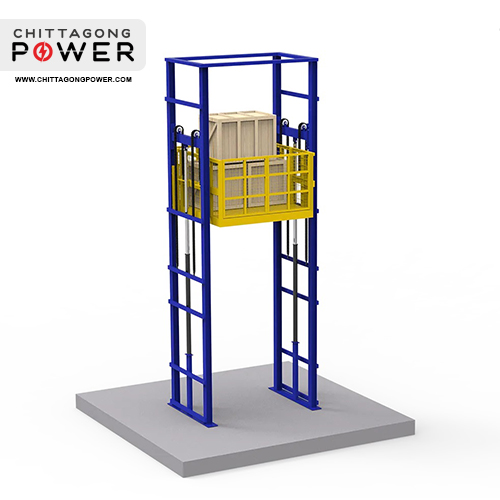
A cargo lift is a heavy-duty vertical transportation system designed to safely and efficiently move goods, materials, and equipment between different floors of a building. Built with strong load-bearing capacity and durable components, cargo lifts are widely used in factories, warehouses, shopping malls, hospitals, hotels, and industrial facilities to improve workflow and reduce manual handling.
Cargo lifts provide a safe, reliable, and efficient solution for transporting heavy goods between floors. Engineered for durability and high load capacity, they help businesses save time, reduce labor costs, and ensure smooth material movement in industrial and commercial environments.
Hydraulic Lift
A Hydraulic Lift is a vertical transportation system that operates using hydraulic fluid pressure to raise and lower the lift car smoothly and safely. Known for its strong lifting capacity and stable performance, hydraulic lifts are ideal for low to mid-rise buildings such as factories, warehouses, hospitals, commercial complexes, and residential projects.
Hydraulic lifts offer powerful lifting performance, smooth operation, and enhanced safety. Designed for reliability and cost-effective installation, they are an excellent choice for buildings requiring heavy load handling with minimal maintenance.
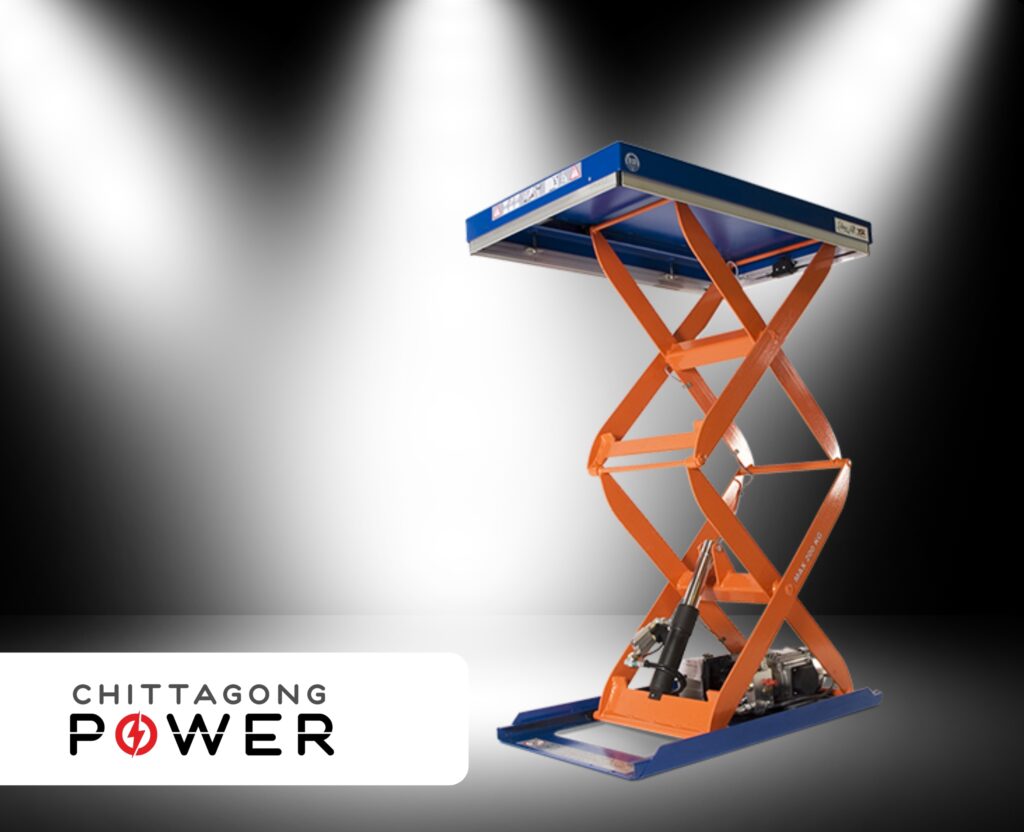
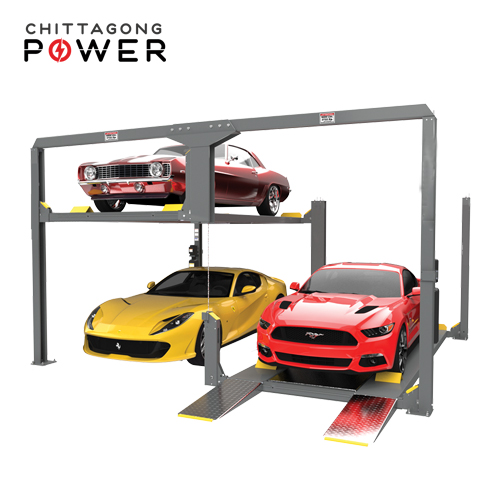
Car Lift
A Car Lift is a specialized vertical transportation system designed to safely move vehicles between different parking levels. It is an ideal solution for buildings with limited space, allowing efficient use of vertical areas in residential, commercial, and high-rise parking facilities.
Car lifts are engineered with high load capacity platforms, advanced safety sensors, and smooth control systems to ensure secure vehicle movement. They can be hydraulic or traction-based and are customizable according to vehicle size, weight, shaft dimensions, and building structure.