
What is a Solar Panel?
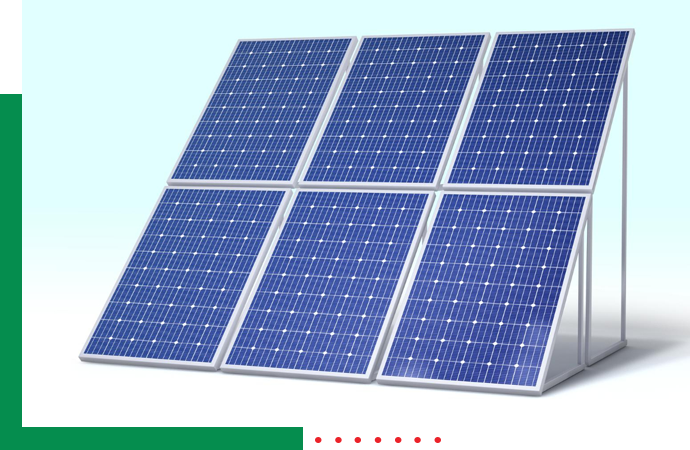
A solar panel is a thing that uses sunlight to generate electricity. It is an important part of solar power systems, which use the sun’s energy to create electricity. The solar cell, which is the main component of a solar panel, is usually composed of semiconductor materials like silicon.
Designing solar power systems to satisfy the diverse energy needs of clients is made possible by the variety of sizes and capacities available in solar panels. It is utilized in solar farms, off-grid applications, and residential, commercial, and industrial environments.
Types of Solar Panel
The development and affordability of solar energy solutions are facilitated by ongoing developments brought about by advancements in solar technology. Solar panels come in a variety of forms, and they all use various technologies to turn sunlight into electricity.
There are three main categories of solar panels:
- Monocrystalline Solar Panels
- Polycrystalline Solar Panels
- Thin-Film Solar Panels
Uses of Solar Panel in power generation
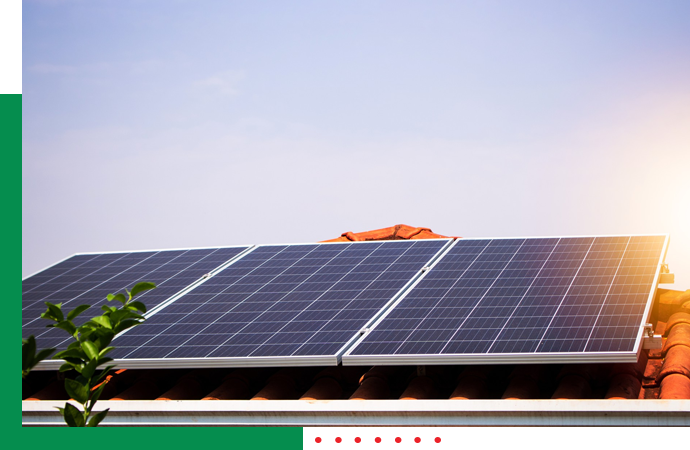
Due to its many uses, solar panels contribute to the worldwide transition to greener, more sustainable energy sources, which helps lower carbon emissions and fight climate change. Through the photovoltaic (PV) effect, solar panels turn sunlight into electricity, which is a vital component of power generation.
The uses of solar panels in power generation are:
Residential solar power
To generate electricity for their houses, many homeowners install solar panels on their roofs. As a result, there is a lower dependency on the conventional electrical grid, electricity costs are decreased, and a cleaner, more sustainable energy source is produced.
Commercial and industrial applications
Solar panels are used by businesses and industries as a source of energy. In addition to reducing environmental impact, large-scale solar installations on commercial and industrial buildings or as part of solar farms greatly aid in meeting energy needs.
- Off-grid power solutions
Solar electricity is essential in remote locations with limited access to conventional power sources. They offer a dependable and sustainable supply of electricity for use in residences, educational institutions, hospitals, and other critical buildings. - On-grid power solutions
An On-Grid Solar Power Solution is a solar energy system that is directly connected to the national electricity grid. It generates power from solar panels during daylight hours and supplies it to the building while synchronizing with the grid.
- Solar street lighting
LED streetlights are powered by solar panels that are incorporated into street lighting systems. In both urban and rural regions, this strategy improves energy efficiency and lessens the need for grid-based electricity for street lighting.
Key Features to Consider When Choosing a Solar Inverter
Before purchasing a solar inverter, consider the following factors:
Power Capacity (kW rating)
Efficiency Level
Battery Compatibility
Monitoring System (Wi-Fi / App)
Safety Protections
Warranty & After-Sales Support
Choosing the right inverter ensures better performance and longer system life.
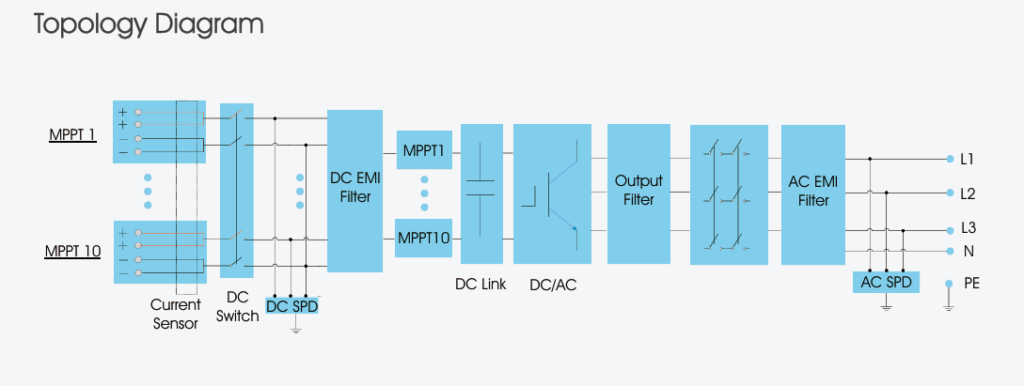
Benefits of Using a High-Quality Solar Inverter
A high-quality solar inverter plays a vital role in maximizing the performance and reliability of a solar power system. Investing in a premium inverter offers several long-term advantages for residential, commercial, and industrial users.
1. Higher Energy Efficiency
High-quality solar inverters convert DC power from solar panels to AC power with minimal energy loss. This ensures maximum utilization of generated solar energy and higher overall system output.
2. Stable and Reliable Power Supply
Advanced inverters provide consistent voltage and frequency, protecting appliances and equipment from power fluctuations and ensuring smooth operation.
3. Longer System Lifespan
Premium inverters are built with durable components and advanced cooling systems, reducing wear and tear. This helps extend the lifespan of both the inverter and the entire solar system.
4. Smart Monitoring and Control
Most high-quality solar inverters come with Wi-Fi or app-based monitoring. Users can track real-time power generation, energy consumption, and system health from anywhere.
5. Enhanced Safety Features
Top-tier inverters include built-in protections against overvoltage, overheating, short circuits, and grid faults. These features ensure safe operation and reduce the risk of system damage.
6. Better Performance in Low-Light Conditions
High-end inverters can operate efficiently even during cloudy weather or low sunlight, ensuring better energy production throughout the day.
7. Compatibility with Batteries and Grid Systems
Quality inverters support a wide range of batteries and grid configurations, making them ideal for on-grid, off-grid, and hybrid solar systems.
8. Reduced Maintenance Costs
Reliable inverters require fewer repairs and less frequent maintenance, saving money and reducing system downtime over time.
9. Higher Return on Investment (ROI)
By improving efficiency, reliability, and energy output, a high-quality solar inverter helps users recover their investment faster through lower electricity bills and long-term savings.
10. Environment-Friendly Energy Solution
Efficient inverters help maximize clean energy usage, reducing dependence on fossil fuels and lowering carbon emissions.